Use Case in Software Testing: How to Turn One Into Test Cases
Every path through a use case becomes at least one test case. A worked bank-transfer example shows the test table, and ISTQB's 2023 and 2025 syllabus changes explain…
Vervali tests software that handles health, payment or personal data against the rules that govern it: HIPAA, PCI DSS, GDPR and the accessibility standards. Each engagement produces a control-by-control result, the gaps that would fail a review, the remediation path and the audit evidence, so a compliance deadline stops being a guess.


ISO/IEC 17025:2017Accredited testing laboratory

CMMI Maturity Level 3The process is written down and repeats

ISO 9001:2015Quality management

ISO/IEC 27001Information security
The data your software handles and the markets it serves determine the control set. We test application controls for HIPAA, PCI DSS, GDPR and accessibility, with cloud configuration evidence covered by cloud security and compliance testing.
Software that handles electronic protected health information. PHI handling, access control, audit logs, encryption in transit and at rest. Healthcare context sits on healthcare and life sciences.
Software that touches payment data: the cardholder data environment in the application, storage versus tokenisation, and scripts on payment paths. Fintech context sits on fintech and banking.
Software that processes personal data of people in the EU: lawful basis, consent, access and erasure paths, and whether the product actually does what the notice says. US and EU rules are both in the work when both apply.
Public-facing software may need WCAG, ADA or Section 508 evidence. Manual keyboard and assistive-technology checks are covered through ADA and Section 508 compliance testing.
Turn the framework into a control list your product team can act on.
Free Compliance Gap Check (One Framework, One Application)We turn each applicable requirement into a test, record the result and attach the evidence. Security attack paths can be added through security testing and penetration testing.
We identify the requirements that apply to the application, data flows, user roles and third parties. Every in-scope control has an owner, test method and expected evidence before execution begins.
We test whether the control works in the product, not whether a policy says it exists. Access, logging, encryption, consent and retention are exercised through real roles and flows.
Each result includes the date, method, artefact and gap. Controlled test data and evidence handling can be supported through test data management and compliance.
For software handling PHI, we test the safeguards that protect each data path and make access reconstructable. The result shows where a healthcare review would find missing control operation or evidence.
We trace PHI through user journeys, APIs, exports and integrations, then test role boundaries, session controls and minimum-necessary access. Healthcare delivery experience includes a diagnostics back end in Chennai.
We verify encryption in transit and at rest, key handling, audit-event coverage and whether logs identify the user, action and record. Cloud account controls are covered by cloud security and compliance testing.
We test how payment data enters, moves through and leaves the application, then verify the controls that reduce the cardholder data environment and protect what remains.
Storage, tokenisation, masking, role access and separation between payment components and the rest of the product. The test follows browser, API and back-office paths rather than relying on the architecture diagram.
Payment-page scripts, API authorisation and agreed in-scope assets can be tested through penetration testing. Findings return with retest evidence; a qualified assessor still owns formal PCI validation where required.
Privacy controls must behave the way notices and consent choices say they do. We test collection, preference, access, deletion and retention paths against the application evidence.
We verify that consent is informed, recorded and respected across web, mobile and integrated services. Withdrawal must stop the relevant processing without breaking unrelated account functions.
Access, correction, export and erasure are tested through the complete workflow, including downstream systems. Retention evidence must show that expired records are removed or lawfully isolated.
Accessibility becomes a compliance risk when customers cannot complete the same essential journeys. We include the applicable WCAG evidence and route detailed legal-readiness work through the specialist audit service.
Keyboard access, focus, labels, errors, contrast and assistive-technology behaviour are tested on the flows that carry the greatest customer and legal risk.
Detailed WCAG 2.2 AA auditing, ADA and Section 508 analysis, remediation retesting and VPAT support are available through ADA and Section 508 compliance testing.
The final pack connects every control to the test, result, artefact and remediation status. It is structured for internal review and for the external assessor who needs to verify the claim.
Each row names the requirement, test method, result, date and owner. Failed or incomplete controls include severity, dependency and a remediation path rather than a generic recommendation.
Logs, screenshots, exports and test records sit beside the control they support. A banking engagement reduced audit preparation from five days to five hours once this evidence was organised.
A gap closes only when the corrected control works and new evidence replaces the failed result. Retesting keeps the final pack aligned with the application that will enter review.
Every gap identifies the failing behaviour, affected control, dependency and expected evidence. Your team can implement the change without translating a policy-only finding.
We rerun the affected control and connected regression paths, then update the status and artefacts. The pack records what changed and the date the corrected behaviour passed.
Delivery evidence across banking, healthcare and fintech shows how control testing, security findings and audit artefacts support regulated software teams.
Banking · audit preparation
Before: audit preparation took five days of assembling screenshots. After: a dated evidence pack, and 80% less time spent assembling evidence, from 5 days to 5 hours. The bank stays unnamed.
5 days to 5 hours80% less audit preparationIndia · Chennai diagnostics chain · back end
The back end of a diagnostics chain: PHI-class data and the load patient volume actually produces. A compliance pass that ignores that estate is a slide.
Diagnostics back endUAE · fintech platform · API
Authorisation between accounts on a payments platform, with APIs the team had not fully evidenced. After: a ranked report and a retest of agreed in-scope assets. The client stays unnamed.
UAE fintechAPI controls
OUR BLOGS
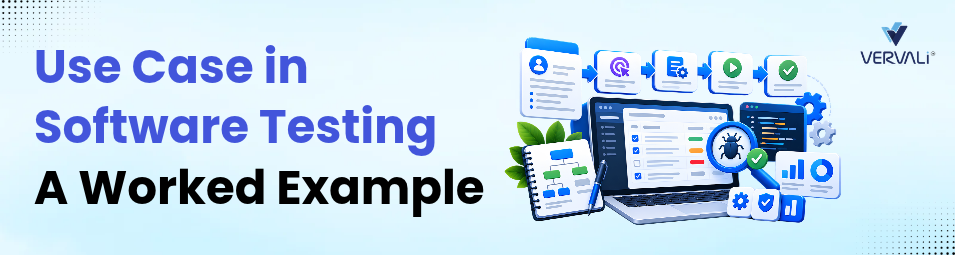
Every path through a use case becomes at least one test case. A worked bank-transfer example shows the test table, and ISTQB's 2023 and 2025 syllabus changes explain…
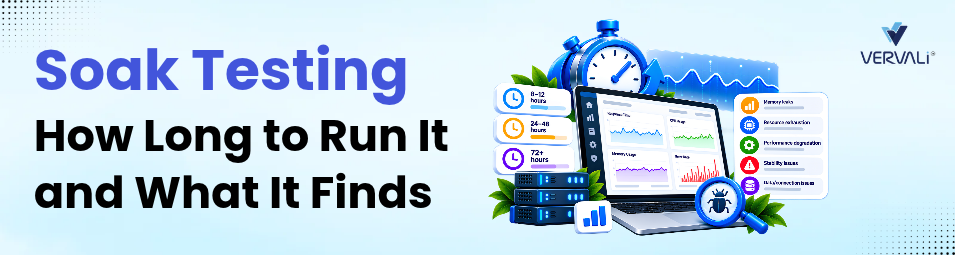
What a soak test is, how it differs from load, stress and spike tests, how long to run it, the metrics that decide a pass, and how JMeter, k6 and Gatling hold a load…
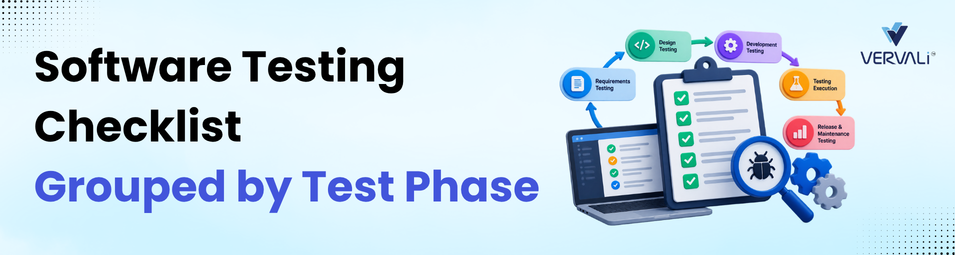
This software testing checklist groups every item by the phase of the test process it belongs to, marks the items teams routinely skip, and shows how to wire the lis…
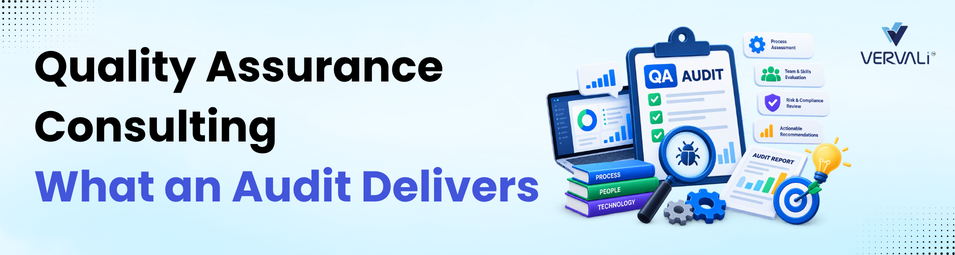
This guide explains what a QA maturity assessment scores you against, what the deliverable looks like on the last day, and when advisory work is the wrong purchase.
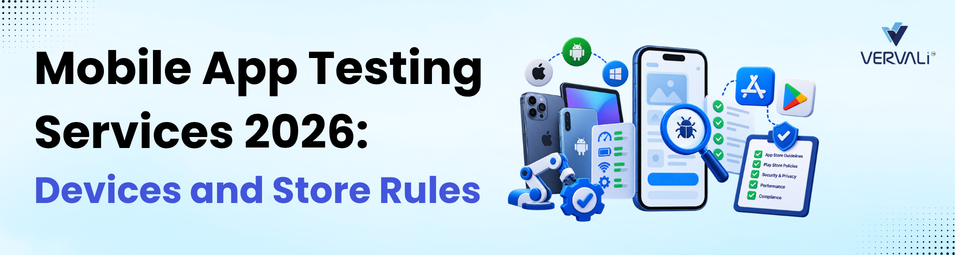
This guide explains what mobile app testing services cover, how to size a device matrix from United States traffic data, and what Apple and Google check before a rel…

This guide prices the five QA outsourcing engagement models against the cost of an in-house hire, and names the situations where outsourcing is the wrong call.

This article ranks nine software testing companies on their verified review evidence and engagement floors, and sets out the criteria before the ranking.

A ranked comparison of ten IT staff augmentation vendors on verified Clutch data, with the ranking criteria stated before the list. Covers why the highest-rated firm…

Our Expertise


Trusted by 150+ Leading Brands

A Strong Team of 275+ QA and Dev Professionals

Worked across 450+ Successful Projects
 Email Us
 Call Us
From flawless code to flawless quality - we design, develop, and test digital solutions that deliver real results.