Use Case in Software Testing: How to Turn One Into Test Cases
Every path through a use case becomes at least one test case. A worked bank-transfer example shows the test table, and ISTQB's 2023 and 2025 syllabus changes explain…
Vervali builds and runs test automation for web, mobile and API products: framework design, suite build, pipeline integration and the maintenance that decides whether automation ever pays back. Frameworks are written in Selenium, Playwright, Cypress, Appium, REST Assured and k6, and run in GitHub Actions, Jenkins or Azure DevOps. We will also tell you which tests are not worth automating, which is the part most vendors leave out.


ISO/IEC 17025:2017Accredited testing laboratory

CMMI Maturity Level 3The process is written down and repeats

ISO 9001:2015Quality management

ISO/IEC 27001Information security
Automation pays when a test is stable, frequent and expensive to repeat manually. We define that split before framework work begins, with specialist coverage available for web, mobile and API automation.
Regression on settled features, API contracts, smoke tests on every build, and data-heavy checks a person would get wrong. Login, the revenue path once the fields stop moving, and the journeys that still make money after last month's release. Those are cheaper to keep alive than to re-execute by hand.
Two standing examples we recommend leaving manual: a checkout experiment whose fields change every sprint, and a visual brand check on a campaign landing page that is judged by eye. Exploratory work, one-off UAT with a business owner, and a path that ships twice a year stay with a person. If we would not automate it on our own product, we will not sell it on yours.
Find the stable paths that can return the cost of automation.
Free Automation-Readiness Review of One SuiteThe right framework fits the product stack, team language, browser or device matrix and pipeline. We choose for maintainability after handover, not for the longest tool list.
Breadth and legacy. When the estate is mixed, old, and already WebDriver, Selenium is the honest default. It is not the fastest. It is the one that still reaches the browser you cannot abandon.
Modern web and speed. Auto-wait, parallel runs, and no licence fee for the runner. Cost is CI minutes, which we spell out in Is Playwright free?
Front-end teams already living in JavaScript. Strong in the browser the developers use. Weaker when you need multiple origins or native mobile. We will say so before we quote it.
Mobile. Real devices where the money is, not only emulators. The matrix lives on the mobile testing page. Here it is the automation layer on those devices.
API contracts in Java estates. Faster feedback than UI, cheaper to keep alive. Method depth is in API test automation best practices 2026.
Load in the same conversation as functional automation, not a surprise extra. Profile and method sit on performance testing.
The first suite protects the revenue path, build smoke and high-frequency regressions before lower-value backlog items. A stable environment and resettable test data determine how quickly that coverage becomes reliable.
A staging URL that does not move under us, accounts for the roles in the revenue path, and test data that can be reset. NDA first. If the environment is shared with a demo that wipes data at noon, say so before kickoff.
Smoke on every build, then the path that takes money, then the regressions that still fail after last month's release. Functional coverage that stays manual is named, not hidden. The split is the same argument as on application testing.
Short pull-request checks protect developer flow, while broader nightly runs carry regression depth. GitHub Actions, Jenkins and Azure DevOps receive triaged results rather than an unexplained red build.
If pull-request tests take longer than a coffee, they will be skipped. We cut that set to smoke plus the path this change can break. Nightly holds the rest. A flake over the budget is deleted or rewritten, not lived with.
Maintenance determines whether the suite keeps earning trust after launch. We price ownership, locator repair and flake control up front instead of presenting them as a surprise later.
Resilient selectors and page or screen objects isolate product changes. One component update should not break fifty tests that all copied the same locator.
Intermittent failures are measured, assigned and removed. A test over the agreed threshold is repaired or retired before teams learn to ignore the result.
The quote identifies maintenance capacity for product, browser, device and pipeline changes. Year two continues that operating model rather than repeating the initial build.
We establish what the inherited suite truly covers before recommending investment. The result is a keep, refactor or rebuild decision with cost, risk and pipeline impact.
Execute the suite in its current environment and record pass rate, runtime, flakes and tests that assert nothing.
Review structure, locators, data, dependencies and whether the current CI/CD runner can remain.
Keep, refactor or rebuild, with the cost and expected maintenance of each option stated separately.
A product owner needs coverage, release risk and ownership, not a stack-trace archive. We separate product defects, test defects and environment failures and show what changed since the previous run.
Stable journeys covered, important paths still manual and the release areas affected by current failures.
Product defect, test defect or environment issue, with an owner and evidence attached to each failure.
Pass trend, runtime, flakes and newly exposed gaps summarized for pull requests, releases or leadership.
Automation changed release economics on an airline platform and a finance product by protecting stable, high-value journeys while human testing stayed on changing risks.
India · major airline · booking and check-in
Before: coverage on booking and check-in was too thin for the release pace, so customers reported issues testing had not seen. Vervali automated the stable journeys that sell seats and get passengers to the gate, and left disruption experiments and one-off fare trials manual. After two release cycles: 85% test coverage and 70% fewer customer-reported issues.
85% test coverage70% fewer customer-reported issuesStable paths automatedUAE · SME finance platform · web and mobile
Before: testing time was eating the sprint. Vervali put automation on the repeatable finance journeys and kept exploratory work and UAT support in human hands. After: 40% less testing time, and 98% user satisfaction. The cadence changed because the pack ran on the pipeline, not because every click was scripted.
40% less testing time98% user satisfactionExploratory left manualChoose ownership around the capability already inside your team. Typical work is $25 to $49 per hour, with build, handover and maintenance responsibilities named before kickoff.
Quoted to a working suite in your pipeline. You own it. Suits a team with QA who can keep locators alive. Run cost after that is your CI and your people.
The monthly allocation is in the quote. Suits a team that wants the suite green without hiring a specialist. Run cost is that retainer plus CI.
A named person inside your team, billed monthly. Suits a backlog that will still be there after the first suite. Same people across releases.

OUR BLOGS
Every path through a use case becomes at least one test case. A worked bank-transfer example shows the test table, and ISTQB's 2023 and 2025 syllabus changes explain…
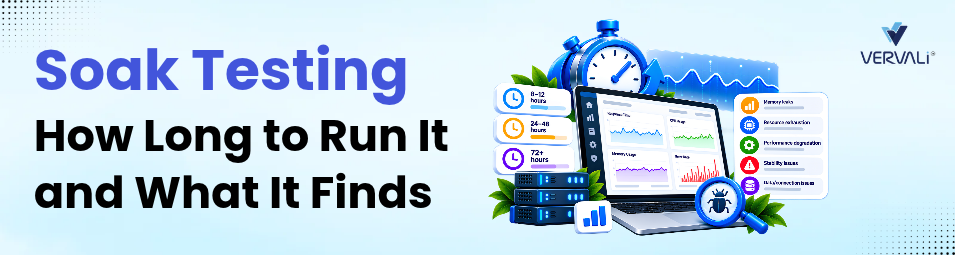
What a soak test is, how it differs from load, stress and spike tests, how long to run it, the metrics that decide a pass, and how JMeter, k6 and Gatling hold a load…
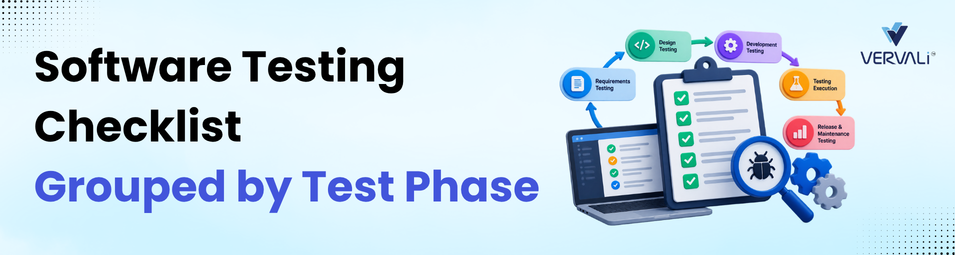
This software testing checklist groups every item by the phase of the test process it belongs to, marks the items teams routinely skip, and shows how to wire the lis…
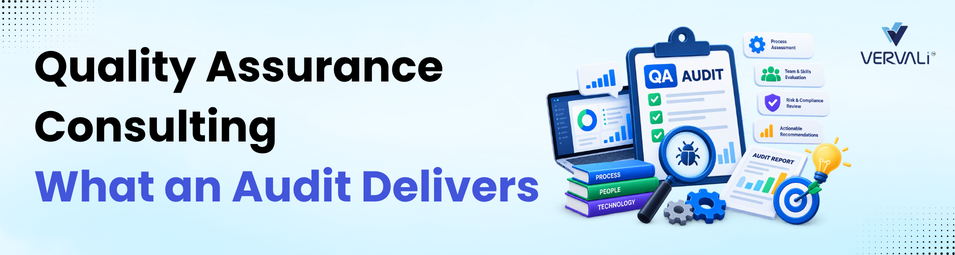
This guide explains what a QA maturity assessment scores you against, what the deliverable looks like on the last day, and when advisory work is the wrong purchase.
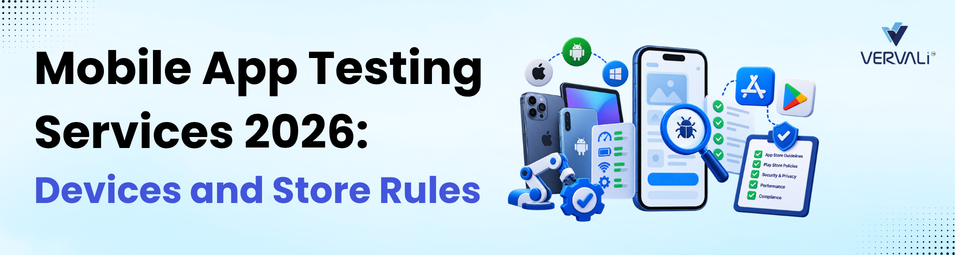
This guide explains what mobile app testing services cover, how to size a device matrix from United States traffic data, and what Apple and Google check before a rel…

This guide prices the five QA outsourcing engagement models against the cost of an in-house hire, and names the situations where outsourcing is the wrong call.
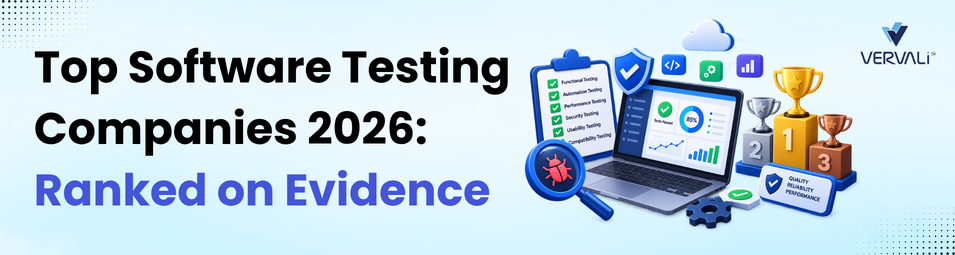
This article ranks nine software testing companies on their verified review evidence and engagement floors, and sets out the criteria before the ranking.
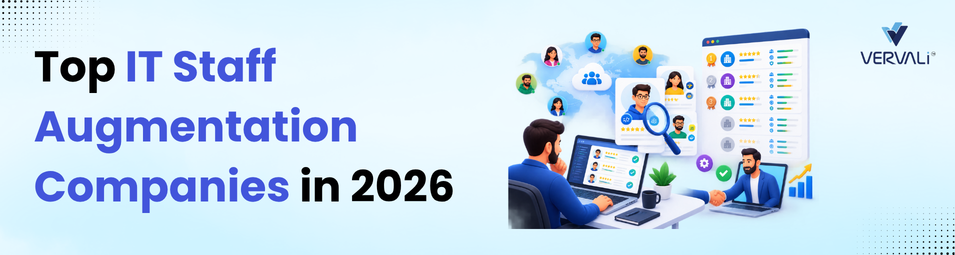
A ranked comparison of ten IT staff augmentation vendors on verified Clutch data, with the ranking criteria stated before the list. Covers why the highest-rated firm…

Our Expertise


Trusted by 150+ Leading Brands

A Strong Team of 275+ QA and Dev Professionals

Worked across 450+ Successful Projects
 Email Us
 Call Us
From flawless code to flawless quality - we design, develop, and test digital solutions that deliver real results.