Use Case in Software Testing: How to Turn One Into Test Cases
Every path through a use case becomes at least one test case. A worked bank-transfer example shows the test table, and ISTQB's 2023 and 2025 syllabus changes explain…
Vervali modernises systems that still run the business: assessment of what the current system does and what it costs to keep, re-platforming or rebuild, data migration with reconciliation, and regression testing of the old and new systems against the same inputs so you can see they behave the same before you switch. Cutover happens with a rehearsed rollback in place.


ISO/IEC 17025:2017Accredited testing laboratory

CMMI Maturity Level 3The process is written down and repeats

ISO 9001:2015Quality management

ISO/IEC 27001Information security
Your system works and you cannot afford to break it. Four checks prove the new one behaves the same before you switch.
Parallel Run
Old and new systems process the same live inputs side by side for an agreed window. Nobody switches until the outputs match, and the window length is signed before it starts.

Data Reconciliation
Counts, balances, duplicates and records that would not map, in a report you sign before cutover. History that was never valid is named, not silently dropped.

Regression Comparison
The same inputs run through both systems and every difference is explained or fixed, using our application testing method. That is how you see they behave the same before you switch.

Rehearsed Rollback
The rollback is timed in rehearsal, not invented on the night. If the comparison fails, you stay on the system that still works. The decision to abort is a decision, not a panic.

See the old and new systems agree before you switch.
Book a ReviewEach approach has a cost, a fix and something it leaves behind. The quote names which one you are buying.
The same software on new infrastructure. It fixes the hardware problem and none of the software problems. Right when the hardware is the risk and the code is sound.
A new runtime, database or hosting shape without rewriting the business rules. Cloud-native targets on AWS and Azure, or the clouds you already run.
Outdated applications split into services and containers, so you gain agility without a full rewrite. Right when the rules are valuable and the structure is the problem.
The system is replaced when it cannot carry the next process. ERP and CRM cores through ERP and CRM development, custom cores through custom software development.
This is the part that actually goes wrong, so it is the part we prove in writing.
Fields where the old system's meaning is not the new system's meaning are mapped with the people who use them, not guessed from column names.
Records that were never valid, and history that is archived rather than moved, are decided and listed before the move. Backups and an audit trail sit alongside.
Counts, balances, duplicates found and records that would not map. You sign that report before cutover, not after the first week in production.
When the vendor no longer supports the system or will not let you leave, the first job is getting your data out.
Data extraction where there is no export function, and rewriting the interface rather than the whole system.
We do not pretend every closed box has a clean dump. Anything we could not reach goes on the risk register with an owner.
Open source or a cloud target is a later choice, made once the data you own is actually in your hands.
A migration resets the evidence, and an auditor will ask. Controls are re-established, not assumed.
Access control, audit logging, retention and any certification scope the old system carried are rebuilt and tested on the new one. GDPR and HIPAA are named when they apply to you.
Evidence packs through our compliance testing practice when that pass is in the quote. Vervali tests SOC 2 readiness and is not itself SOC 2 certified, and runs an ISO/IEC 27001 certified management system.
Cloud execution of the move runs through cloud migration and modernisation and cloud application development, with the same reconciliation and rollback.
Year two of doing nothing is still a number, even if it never arrives as an invoice.
Maintenance on ageing code, and a shrinking pool of people who can still work on it. Every leaver takes knowledge the system depends on.
The next integration, product or channel the business wants and the old system cannot take, or takes only at a cost that grows each year.
Software that can no longer be patched is a compliance exposure. The assessment puts the cost of keeping the stack next to the cost of the first move, with no invented savings figure.
Core platforms that still ran the business while they changed.
Two private-sector banks · lending platforms
60% faster loan processing and 50% less agent onboarding time, with the compliance the engagement required. Platforms like that do not move in one weekend: assessment, a sequence, data that still balances and a timed rollback are how a core that runs the business is allowed to change.
60% faster loan processing50% less agent onboarding timeManufacturer · sales-operations platform
40% less manual stock reconciliation on a sales-operations platform. That is what changes when the old record and the new process finally agree. A cutover without that reconciliation is how month-end becomes a war room.
40% less manual stock reconciliation
OUR BLOGS
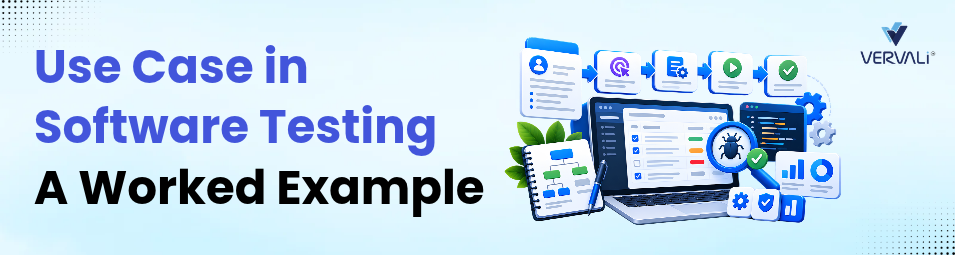
Every path through a use case becomes at least one test case. A worked bank-transfer example shows the test table, and ISTQB's 2023 and 2025 syllabus changes explain…
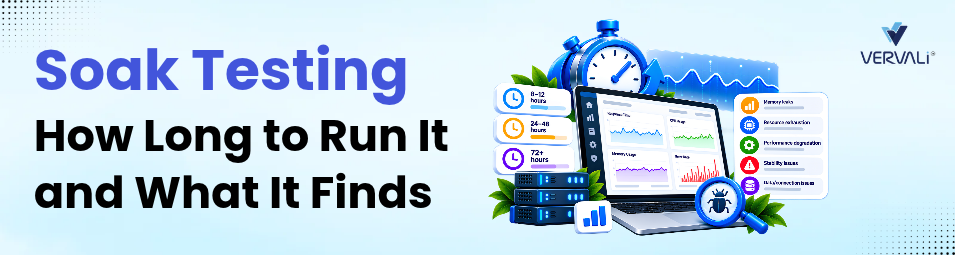
What a soak test is, how it differs from load, stress and spike tests, how long to run it, the metrics that decide a pass, and how JMeter, k6 and Gatling hold a load…
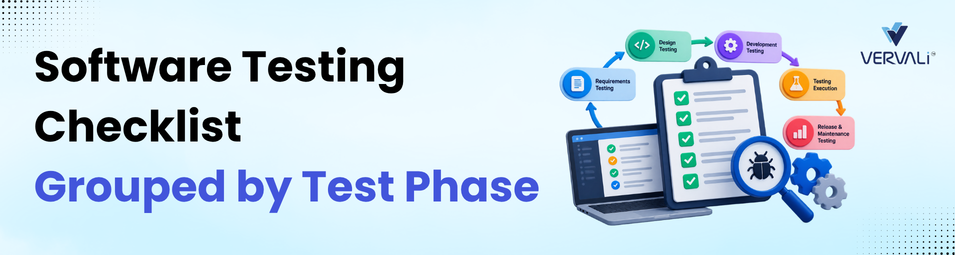
This software testing checklist groups every item by the phase of the test process it belongs to, marks the items teams routinely skip, and shows how to wire the lis…
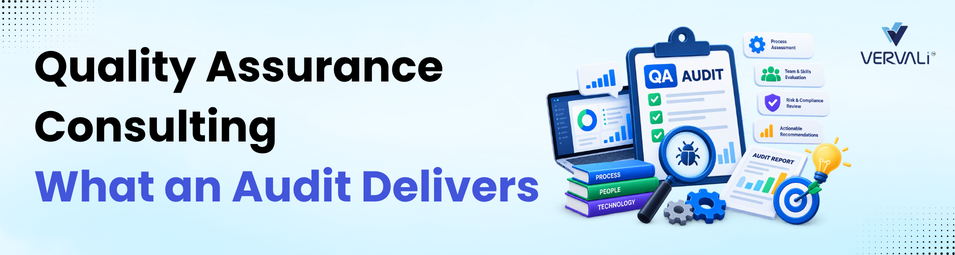
This guide explains what a QA maturity assessment scores you against, what the deliverable looks like on the last day, and when advisory work is the wrong purchase.
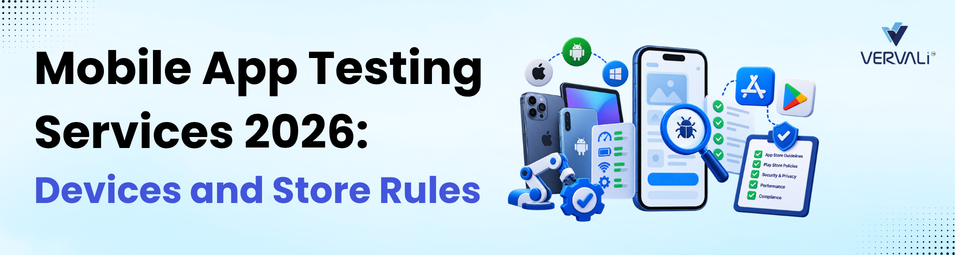
This guide explains what mobile app testing services cover, how to size a device matrix from United States traffic data, and what Apple and Google check before a rel…

This guide prices the five QA outsourcing engagement models against the cost of an in-house hire, and names the situations where outsourcing is the wrong call.
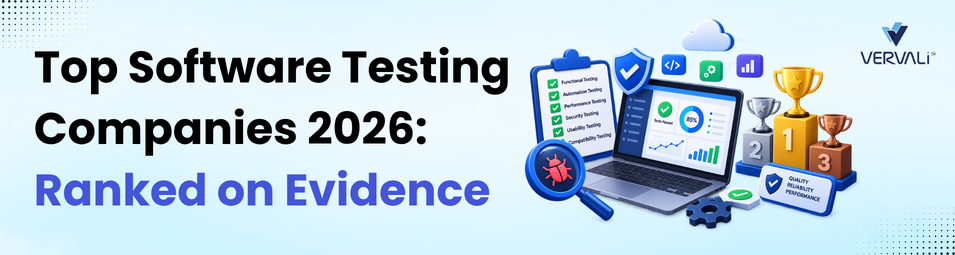
This article ranks nine software testing companies on their verified review evidence and engagement floors, and sets out the criteria before the ranking.
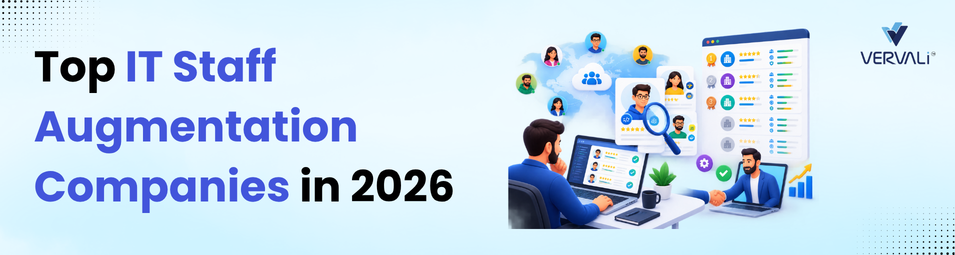
A ranked comparison of ten IT staff augmentation vendors on verified Clutch data, with the ranking criteria stated before the list. Covers why the highest-rated firm…

Our Expertise


Trusted by 150+ Leading Brands

A Strong Team of 275+ QA and Dev Professionals

Worked across 450+ Successful Projects
 Email Us
 Call Us
From flawless code to flawless quality - we design, develop, and test digital solutions that deliver real results.