Use Case in Software Testing: How to Turn One Into Test Cases
Every path through a use case becomes at least one test case. A worked bank-transfer example shows the test table, and ISTQB's 2023 and 2025 syllabus changes explain…
Vervali builds custom software for companies that cannot buy what they need off the shelf: enterprise operations platforms, fintech and lending systems, healthcare and diagnostics products, ecommerce back ends and logistics platforms. The same company that writes the code runs the testing, from an ISO/IEC 17025:2017 accredited laboratory with CMMI Maturity Level 3 process, so quality is not a separate purchase.


ISO/IEC 17025:2017Accredited testing laboratory

CMMI Maturity Level 3The process is written down and repeats

ISO 9001:2015Quality management

ISO/IEC 27001Information security
Custom software for sectors where we have shipped real systems, each one tested by the team that built it.
Lending, origination and agent platforms you cannot buy off the shelf. For two leading private-sector banks: 60% faster loan processing and 50% less agent onboarding time, delivered with the compliance each bank required. See our fintech and banking work.
Diagnostics and clinical back ends, not a packaged hospital suite stretched to fit. For a diagnostics chain, we rebuilt the back end so it could carry 50% more traffic without the queue that had been holding the business back.
Ecommerce back ends and customer-facing portals that a package will not carry. A consumer self-service portal we built cut support calls by 80%. When the job is the storefront itself, see e-commerce testing.
Operations platforms that run stock, sales and month-end. For a manufacturer, a new sales-operations platform cut manual stock reconciliation by 40%. Packaged suites run through our ERP and CRM development team.
Logistics platforms with the integrations the operation actually runs. For a renewable-energy EHS and logistics platform, we connected SAP CPI, ICEGATE and MarineTraffic, so shipments, customs and vessel data finally sat in one system.
Products with a model in the path, built and then tested. For a financial services KYC process, we built a deepfake detection model that reached 75% detection accuracy and cut manual review by 70%. Model checks run through AI model validation.
One team writes it, tests it and owns the fix.
See Engagement ModelsSix steps from discovery to support, with testing inside the build, 9am to 1pm Eastern with delivery from India.
Discovery
We map the process, the people who run it and what off-the-shelf tools cannot do. You leave with a written scope.

Architecture
The shape of the system, its integrations and constraints, on AWS, Azure or the clouds you already run.

Build
Working increments in the languages named in the quote, with a named backlog owner, not a reveal at the end.

Test
Functional, integration and security testing inside each sprint. A defect is a task on the same board. Standalone testing runs through application testing.

Release
Cutover with a rehearsed rollback when the new system replaces one that still runs. For the old estate itself, see legacy modernization.
Support
A named support line after launch, so year two is a plan, not a second kickoff. Version work runs through software maintenance.
When the builder and the tester are the same company, quality stops being a second purchase.
Nobody bills for the argument, and the release date does not move while two vendors debate whose fault a bug is. The fix goes on the same board as the feature.
Test cases are written alongside the code, so a finding is fixed inside the same increment instead of reopening work weeks later at extra cost.
An ISO/IEC 17025:2017 accredited lab and CMMI Maturity Level 3 process stand behind every release. Cloud-native products run through cloud application development.
Who manages, who owns the backlog, how fast it scales and what it costs to stop, named in every quote.
We manage, and the backlog is the deliverable we quoted. It scales only by change request. You can stop on the notice the quote names and pay for work completed. Best for a first release you can write down.
You own the backlog and we manage the people. It scales by adding named roles in the next cycle, and stopping means the notice period, then a handover of the repository and the board. Best for a long-term roadmap.
You manage and own the backlog. It scales as fast as you can brief a new person, and when someone leaves, the code stays. Best for a team that needs hands. More on IT staff augmentation.
A short, honest list instead of a logo wall, with every language and data store named in the quote.
We build on AWS and Azure, and the architecture can include the clouds and managed services you already run, so nothing has to move just to suit us.
If the stack is already chosen, we staff engineers who work in it. If we do not staff it, we say so in discovery rather than hiring overnight and calling it seniority.
Languages, frameworks and data stores are confirmed after we see the estate, so you know exactly which skills are on the team before the build starts.
Engineering time at $25 to $49 an hour on Clutch, with the final quote shaped by four factors you largely control.
A written first release costs less than a fuzzy backlog that changes every sprint.
A named product owner on your side saves more than any senior engineer on ours.
Each system the software must talk to adds design, build and test effort.
Regulated data and tight deadlines both add people, review and test time.

OUR BLOGS
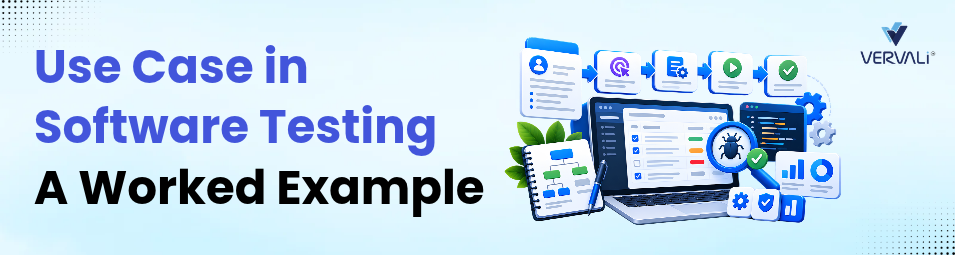
Every path through a use case becomes at least one test case. A worked bank-transfer example shows the test table, and ISTQB's 2023 and 2025 syllabus changes explain…
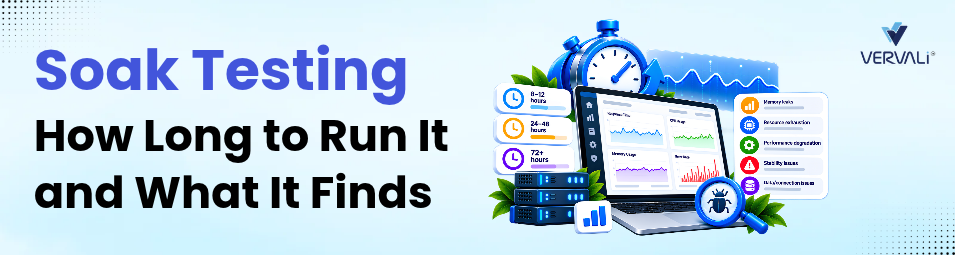
What a soak test is, how it differs from load, stress and spike tests, how long to run it, the metrics that decide a pass, and how JMeter, k6 and Gatling hold a load…
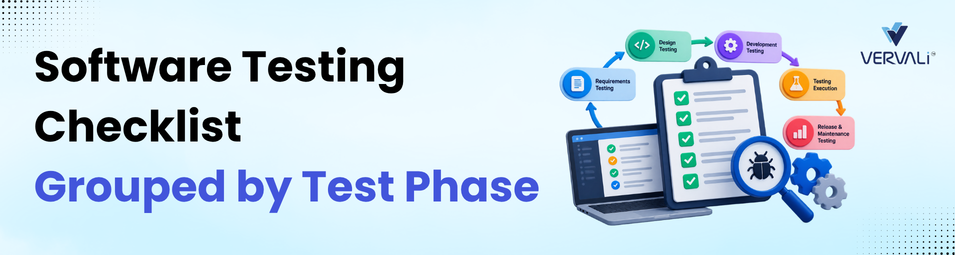
This software testing checklist groups every item by the phase of the test process it belongs to, marks the items teams routinely skip, and shows how to wire the lis…
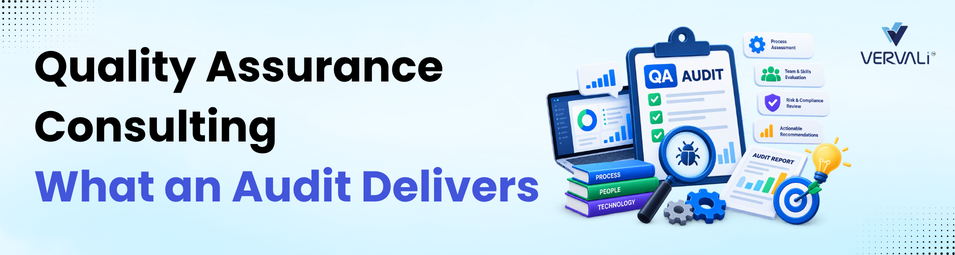
This guide explains what a QA maturity assessment scores you against, what the deliverable looks like on the last day, and when advisory work is the wrong purchase.
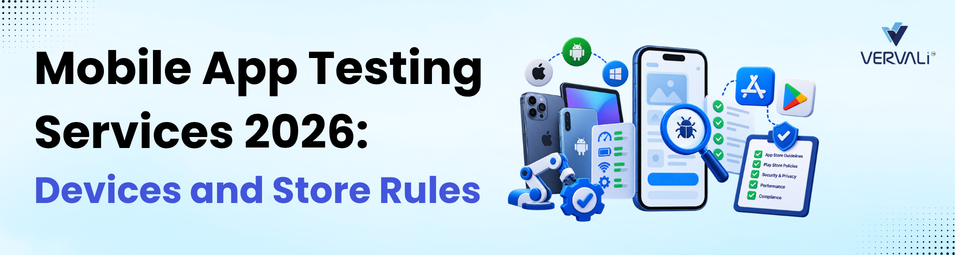
This guide explains what mobile app testing services cover, how to size a device matrix from United States traffic data, and what Apple and Google check before a rel…

This guide prices the five QA outsourcing engagement models against the cost of an in-house hire, and names the situations where outsourcing is the wrong call.
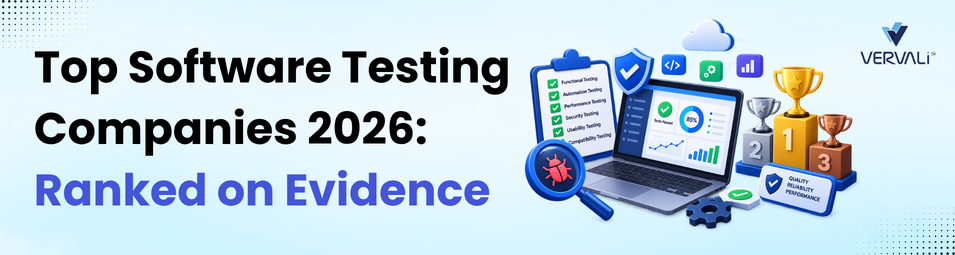
This article ranks nine software testing companies on their verified review evidence and engagement floors, and sets out the criteria before the ranking.
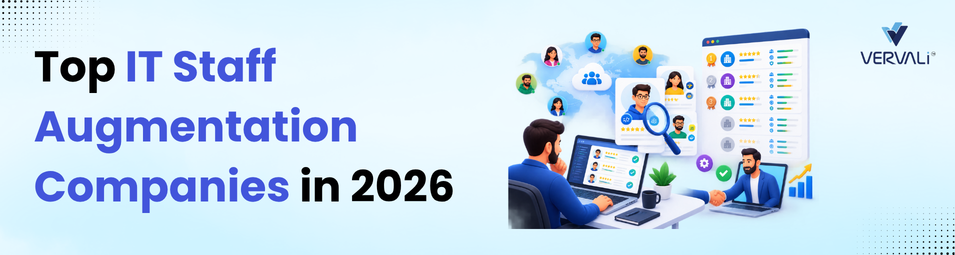
A ranked comparison of ten IT staff augmentation vendors on verified Clutch data, with the ranking criteria stated before the list. Covers why the highest-rated firm…

Our Expertise


Trusted by 150+ Leading Brands

A Strong Team of 275+ QA and Dev Professionals

Worked across 450+ Successful Projects
 Email Us
 Call Us
From flawless code to flawless quality - we design, develop, and test digital solutions that deliver real results.