Use Case in Software Testing: How to Turn One Into Test Cases
Every path through a use case becomes at least one test case. A worked bank-transfer example shows the test table, and ISTQB's 2023 and 2025 syllabus changes explain…
Vervali assesses what you run today, models what it would cost to run it in the cloud or run it better, and gives you a plan you can act on: target architecture, migration sequence, cost model, security and compliance considerations, and the decisions that have to be made before anyone writes code. You are not required to hire us to build it.


ISO/IEC 17025:2017Accredited testing laboratory

CMMI Maturity Level 3The process is written down and repeats

ISO 9001:2015Quality management

ISO/IEC 27001Information security
Eight documents, yours to act on with us, with your own team or with another builder.
What you run, what it costs, the dependencies nobody documented, the compliance obligations and the team's actual skills.
Where each workload should live and why, with architecture diagrams your engineers and your board can both read.
Which moves come first, which depend on which, and where the cutover risk sits in each step.
What it costs to run today and in the target state, with every assumption shown so a later invoice cannot contradict the plan.
What could go wrong, how likely it is, who owns it, and what we could not see during the assessment.
The decisions that must be signed before anyone writes code: identity, residency, cutover and who operates it.
Tagging, access, cost ownership and change rules, so the estate stays in the shape the plan describes.
The first workload to move, how success is measured, and what the pilot must prove before the rest follows.
Know the cost, the sequence and the risks before anyone writes code.
Book an AssessmentTypically 2 to 4 weeks of estate review and interviews, 9am to 1pm Eastern with delivery from India.
The IT landscape, what it costs to run, the security and compliance posture, and the business goals the roadmap has to serve. From your side we need the people who run the estate and the person who owns the budget.
The assessment interviews people as well as reading infrastructure. A diagram without the operator who still knows the batch job is how plans fail in week six. We speak to the engineers, the application owners and whoever signs the invoices, so the plan reflects how the estate really runs.
We write down what we could not see: systems without access, undocumented integrations and costs nobody could attribute. That gap goes into the risk register with an owner and a way to close it, not into a surprise after you have signed a build.
Multi-cloud costs more than it saves for most organisations. We support it when the reason is real.
When a regulator, a contract or a customer requires a second venue. Not because a slide said best of breed. The plan says which reason applies to you, or that none does.
Data gravity and managed services, rather than compute. The plan names which services would be expensive to leave and whether that trade is worth it.
AWS, Azure and Google when they are already in your estate. Vervali builds on AWS and Azure through cloud application development, but the plan can be executed by anyone.
Where the money actually goes, who owns each line, and the practice that stops it growing back.
Idle capacity, over-provisioned instances, storage tiers nobody reviewed, data transfer, and the environments nobody switched off. A first review produces that list with owners.
Tagging standards, budgets and monitoring, so the list does not grow back. A dashboard without an owner is not FinOps.
We do not publish a typical savings percentage we cannot evidence. When your review produces a cost-reduction figure, it goes in your report with the working shown.
The obligations that shape a cloud design go into the target architecture, so the build does not discover them later.
Where data may live, who holds the keys, and how encryption is applied in transit and at rest. GDPR and HIPAA are named when they apply to you.
Audit logging that an auditor will accept, and a written split of what the provider secures and what your team must secure.
Testing and evidence for an auditor run as a separate cloud security and compliance engagement. Vervali tests a client's systems for SOC 2 readiness and is not itself SOC 2 certified.
The plan is yours. You are not required to hire us to build it, and strategy alone is a complete engagement.
Blueprints, the cost model and the decision list, handed to your team or another builder. Priced as strategy, with no build assumed.
If you ask, the same people who wrote the sequence run the first workloads through cloud application development, with load and a compliance check before a large customer asks.
Execution of the sequence through cloud migration and modernisation, and the pipeline and operating model through DevOps consulting and CI/CD.
Systems we have built and tested at the scale our plans are written for.
Two private-sector banks · lending platforms
60% faster loan processing and 50% less agent onboarding time, with the compliance the engagement required. Strategy work for a bank follows the same sequence: what you run, what it must become, what it costs, and what must be signed before a migration starts.
60% faster loan processing50% less agent onboarding timeDiagnostics chain · back end
The back end of a diagnostics chain: the integrations and the load that patient volume actually produces. A cloud plan that ignores that estate is a slide, which is why the assessment interviews the operators who still know the batch jobs.
Diagnostics back endCybersecurity SaaS · DDoS simulation
A cybersecurity SaaS product under DDoS simulation. Strategy for a SaaS estate includes how it fails and what it costs to absorb that failure, not only where the workloads should live.
DDoS simulation
OUR BLOGS
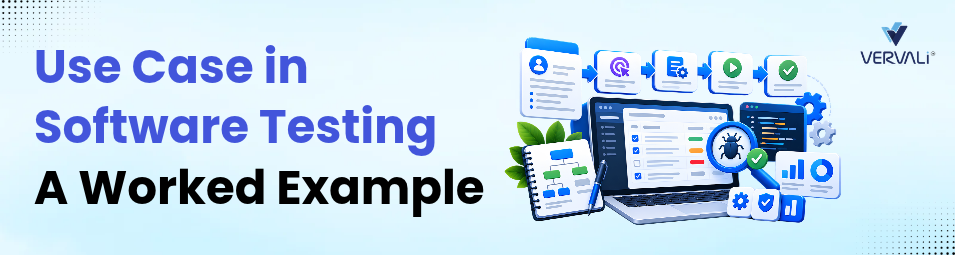
Every path through a use case becomes at least one test case. A worked bank-transfer example shows the test table, and ISTQB's 2023 and 2025 syllabus changes explain…
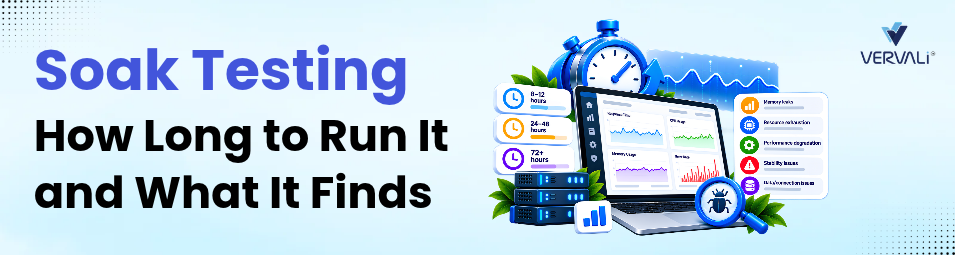
What a soak test is, how it differs from load, stress and spike tests, how long to run it, the metrics that decide a pass, and how JMeter, k6 and Gatling hold a load…
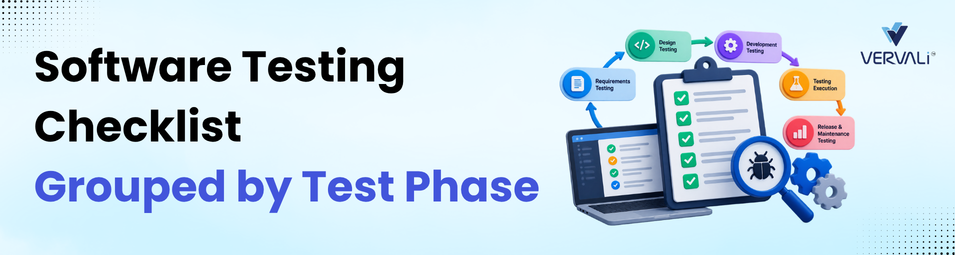
This software testing checklist groups every item by the phase of the test process it belongs to, marks the items teams routinely skip, and shows how to wire the lis…
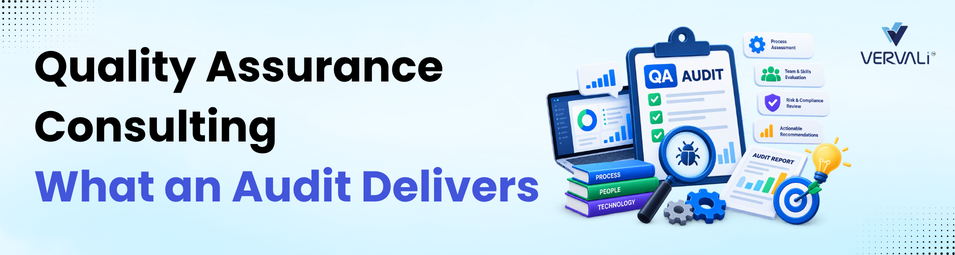
This guide explains what a QA maturity assessment scores you against, what the deliverable looks like on the last day, and when advisory work is the wrong purchase.
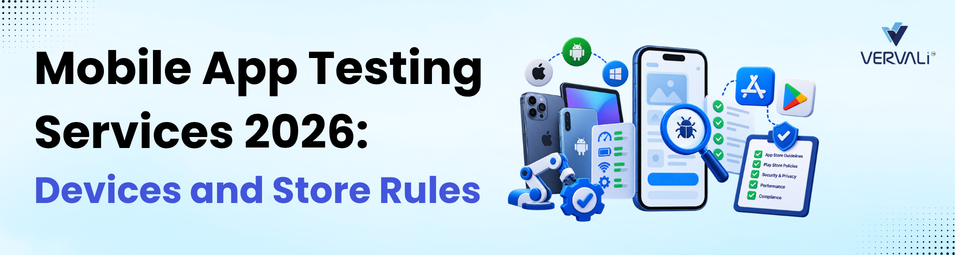
This guide explains what mobile app testing services cover, how to size a device matrix from United States traffic data, and what Apple and Google check before a rel…

This guide prices the five QA outsourcing engagement models against the cost of an in-house hire, and names the situations where outsourcing is the wrong call.
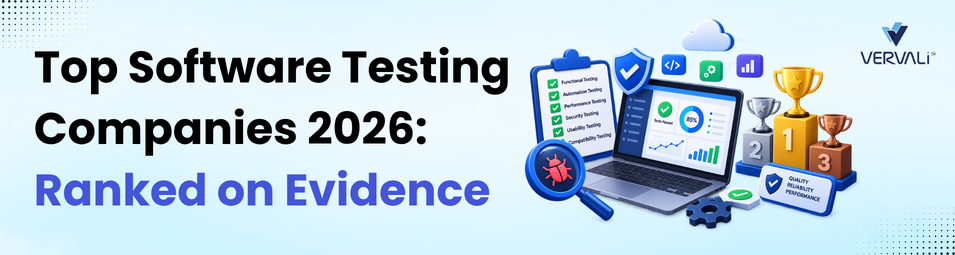
This article ranks nine software testing companies on their verified review evidence and engagement floors, and sets out the criteria before the ranking.
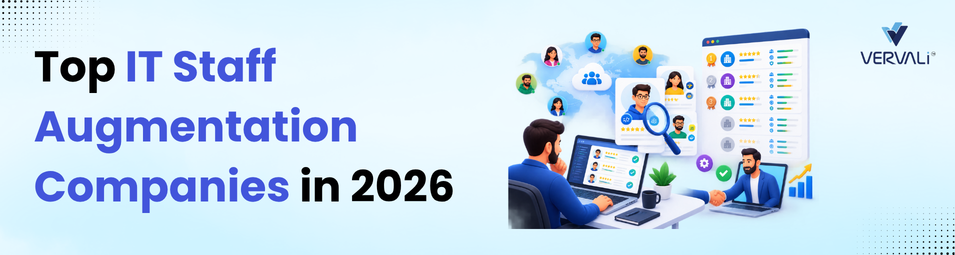
A ranked comparison of ten IT staff augmentation vendors on verified Clutch data, with the ranking criteria stated before the list. Covers why the highest-rated firm…

Our Expertise


Trusted by 150+ Leading Brands

A Strong Team of 275+ QA and Dev Professionals

Worked across 450+ Successful Projects
 Email Us
 Call Us
From flawless code to flawless quality - we design, develop, and test digital solutions that deliver real results.